Empowering Lives: Navigating Cancer Treatment and Support for Patients and Caregivers
Navigating the journey of cancer treatment is akin to traversing uncharted waters—it's daunting, unpredictable, and deeply personal. For patients facing the realities of an illness like malignancy, the quest for effective oncology solutions often comes with an overwhelming amount of information. Add the role of caregivers into the mix, and the stakes become even higher. How can we ensure that both patients and their supporters feel empowered and informed as they explore comprehensive cancer treatment options? In this post, we embark on a deep dive into the world of cancer healthcare, shedding light on various treatment modalities and essential support resources that could make all the difference in this challenging journey.
The landscape of cancer treatment is rich and diverse, offering a plethora of modalities that can be tailored to individual needs. From traditional chemotherapy and radiation therapy to the evolution of immunotherapy, the options seem endless. Each treatment path holds the promise of hope and healing, but that choice can sometimes feel paralyzing. As the saying goes, "Knowledge is power." And that's where patient education plays a vital role! By familiarizing oneself with the risks and benefits of various treatment options, patients and caregivers can make informed decisions that resonate with their personal stories and circumstances.
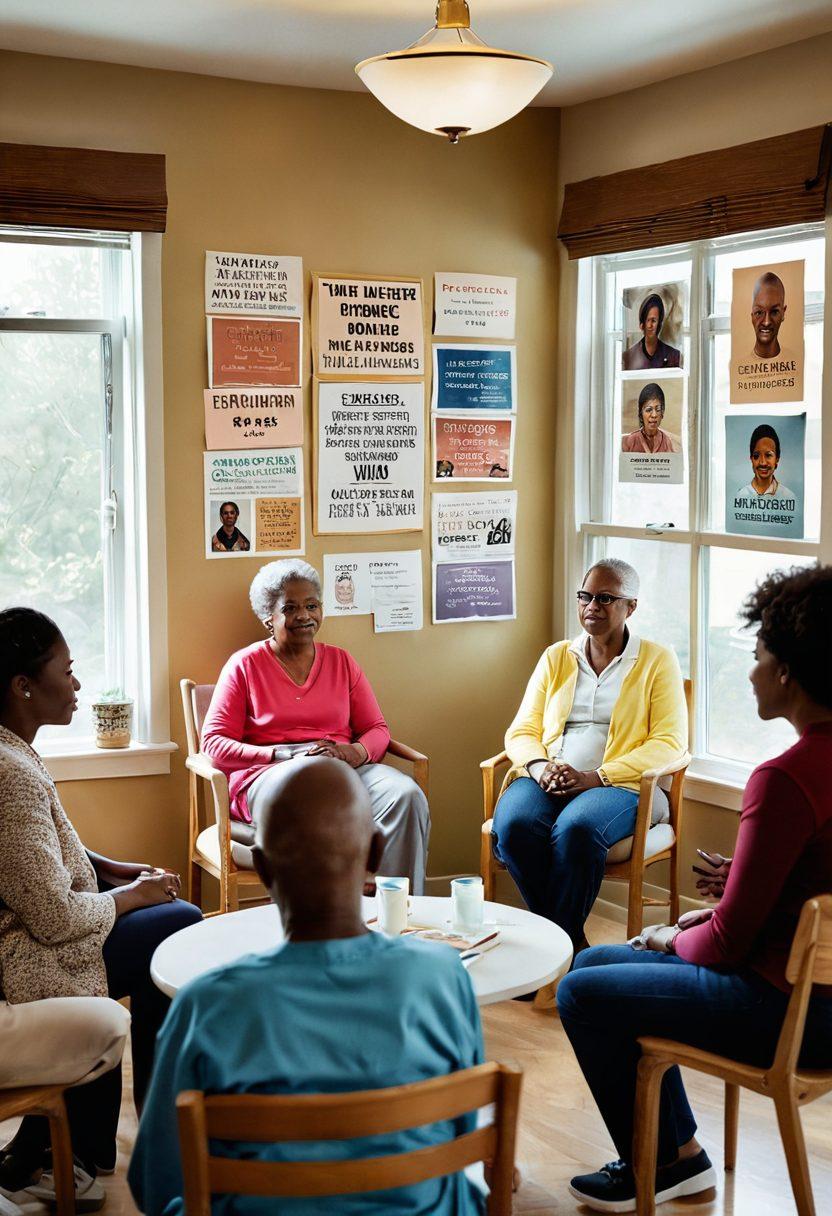
But what about the emotional and psychological toll that a cancer diagnosis can take? The journey is not only about physical well-being; emotional health is equally essential. Cancer support groups, whether virtual or in-person, can be powerful allies in navigating this complex terrain. They provide a space for genuine connection, shared experiences, and mutual encouragement. A simple conversation with someone who has walked a similar path can inspire hope and resilience. Have you ever joined a community support group and unexpectedly found a beacon of strength within it?
Lifestyle changes can also play a pivotal role in managing illness and improving quality of life during treatment. Improvements such as nutrition for cancer patients focus on a balanced diet rich in antioxidants, which can support the body in its fight against tumors. The importance of holistic health cannot be overstated. It's about more than treating the illness; it’s about fostering the overall well-being of the patient and their caregivers. What small changes could you make today to enhance your lifestyle and support your health during treatment?
Lastly, palliative care deserves recognition as an often-overlooked option in the treatment arsenal. Its primary focus on quality of life rather than solely extending it means that patients can receive symptom relief and emotional support during any phase of the illness. This approach can allow patients to regain a sense of normalcy amid the chaos. As cancer survivors remind us, numerous resources and evidence from ongoing cancer research highlight the importance of comprehensive care that encompasses both treatment and quality of life. In reaching out for patient support and advocacy, patients and caregivers weave a rich tapestry of hope, resilience, and community. So are you ready to take the next step in seeking knowledge and connection on your cancer journey?
Building a Support Network: The Importance of Community in Cancer Care
In the journey of navigating cancer treatment, it's easy to feel isolated and overwhelmed. Imagine being faced with the weight of a diagnosis filled with uncertainty, only to find solace in the arms of a community that understands. Building a support network is not just beneficial; it's essential for both patients and caregivers. A strong community plays a vital role in providing emotional, social, and informational support during some of the most challenging times of life. Isn't it comforting to know that you're not alone in this battle?
Consider the impact of oncology resources that are available at our fingertips. Every day, brave individuals face the trials of tumor treatment options, from chemotherapy to immunotherapy, and each step along the road can be immensely daunting. Think about it: how many times have you Googled for medical advice, only to find confusing information? By tapping into cancer support groups, not only can you find clarity in the fog, but you can also form friendships with fellow warriors who share similar stories and struggles. What if we could turn our shared experiences into a rallying cry for healing?
The nexus of patient support and community goes beyond mere friendships; it encompasses a wealth of knowledge from cancer research that can guide decision-making. Imagine being in a room filled with cancer survivors who not only relate to your journey but provide invaluable insights into lifestyle changes that promote well-being. Isn't that the kind of environment where hope flourishes? The exchange of personal stories can be pivotal, making the journey more manageable while shedding light on alternative resources for nutrition for cancer, palliative care, and cancer prevention strategies. Communities that discuss holistic health create a safe space for everyone to share, learn, and grow together.
For caregivers, the importance of community support cannot be overstated. They often bear an immense emotional load while caring for loved ones battling malignancy. But in the caring embrace of support resources, caregivers can discover solace and a chance to recharge mentally and emotionally. Why not facilitate open dialogue about the stress caregivers face? Attending workshops or joining local support groups can unveil strategies for self-care that ensure they remain strong enough to support others. After all, a healthy caregiver attracts healthy living for the patient.
So, how can we foster this spirit of community in our own lives? Start by seeking out local cancer advocacy organizations or online health blogs dedicated to cancer awareness. Engage with others, share your journey, and encourage loved ones to do the same. Whether you're a patient or a caregiver, your narrative has the potential to uplift and inspire. In building a network of support rooted in understanding and compassion, we can create a ripple effect that brings awareness and knowledge, ensuring everyone feels empowered in their battle against cancer. Together, we can create a future where no one has to navigate the challenges of illness alone.
Empowerment Through Knowledge: Patient Education and Resources for Enhanced Well-being
Imagine waking up one day, entirely unprepared, and hearing a doctor say the word "cancer." The emotional rollercoaster that ensues can be overwhelming. As you navigate the complex world of oncology, it's crucial to embrace empowerment through knowledge. Patient education is the cornerstone for enhancing well-being and making informed decisions. Information not only empowers you, but it can also serve as a beacon of hope in the fog of illness, guiding you through the myriad treatment options such as chemotherapy, radiation therapy, and innovative immunotherapy. The more you know about your diagnosis, be it a malignancy or a manageable tumor, the better equipped you'll be to engage with your healthcare team and advocate for your needs.
In the realm of cancer, the term 'empowerment' isn't just a buzzword; it's a lifeline. Studies reveal that patients who obtain reliable information about their condition experience lower levels of stress and anxiety. Whether you find solace in community support through cancer support groups or seek the latest insights from reputable health blogs, the goal is the same – to inspire confidence as you explore treatment options. As the saying goes, "knowledge is power," and this couldn't be truer when it comes to battling cancer. It opens up discussions about palliative care and the importance of early detection and cancer prevention strategies that can greatly improve patient outcomes.
But where does one start? Patient education can seem like a daunting task, especially with a myriad of sources available. Begin by asking your healthcare provider what resources they recommend, as their guidance can help filter through the overwhelming amount of information. There’s a wealth of cancer research available about lifestyle changes and nutrition for cancer that might enhance your body's ability to cope with treatment. Furthermore, don’t hesitate to check the registry of cancer advocacy groups that provide patient support; these organizations often share personal stories that resonate and create a sense of community.
As a caregiver, you, too, are walking a challenging path. Your role is not just to provide physical care but to be an emotional anchor. Empowering yourself through knowledge can boost the support you provide to your loved one. By participating in educational workshops or accessing resources that focus on holistic health, you can ensure both you and your patient receive the nurturing care necessary for improved well-being. After all, the journey involves two people fighting against the same illness, and understanding each other is key. Ask yourself, what support resources do you need to better assist your loved one?
Finally, it’s essential to remember that sharing your journey can foster a sense of hope for others. Personal stories from cancer survivors often serve as a powerful reminder that the path may be treacherous, but it is also filled with resilience and courage. Engaging in conversations about your experience opens doors for patient education and acceptance of the emotional aspects of illness. So, what’s your story? How can sharing your experience be part of a broader narrative to empower others navigating this tumultuous journey? The road to understanding cancer treatment is challenging, but armed with knowledge, resources, and community support, it’s a path that can lead to empowerment and well-being.